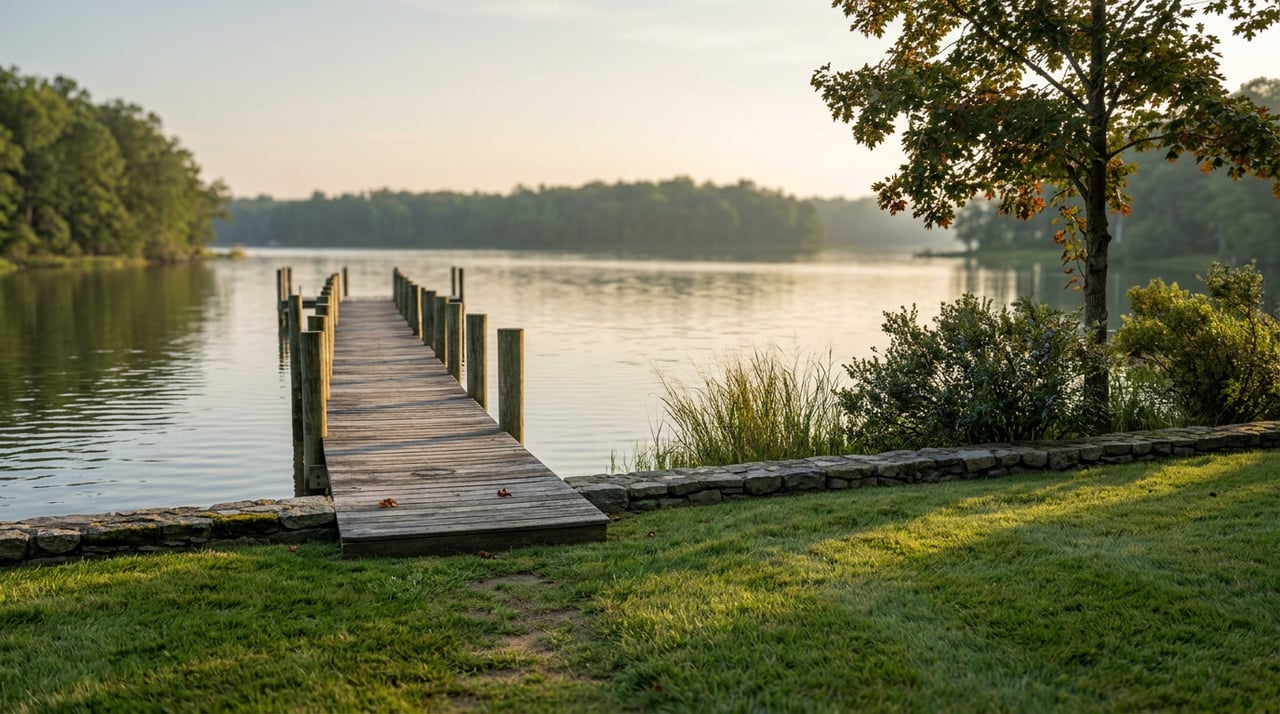
In Locust, There's No Main Street. There's a Boat Ramp.
August 20, 2026
August 20, 2026
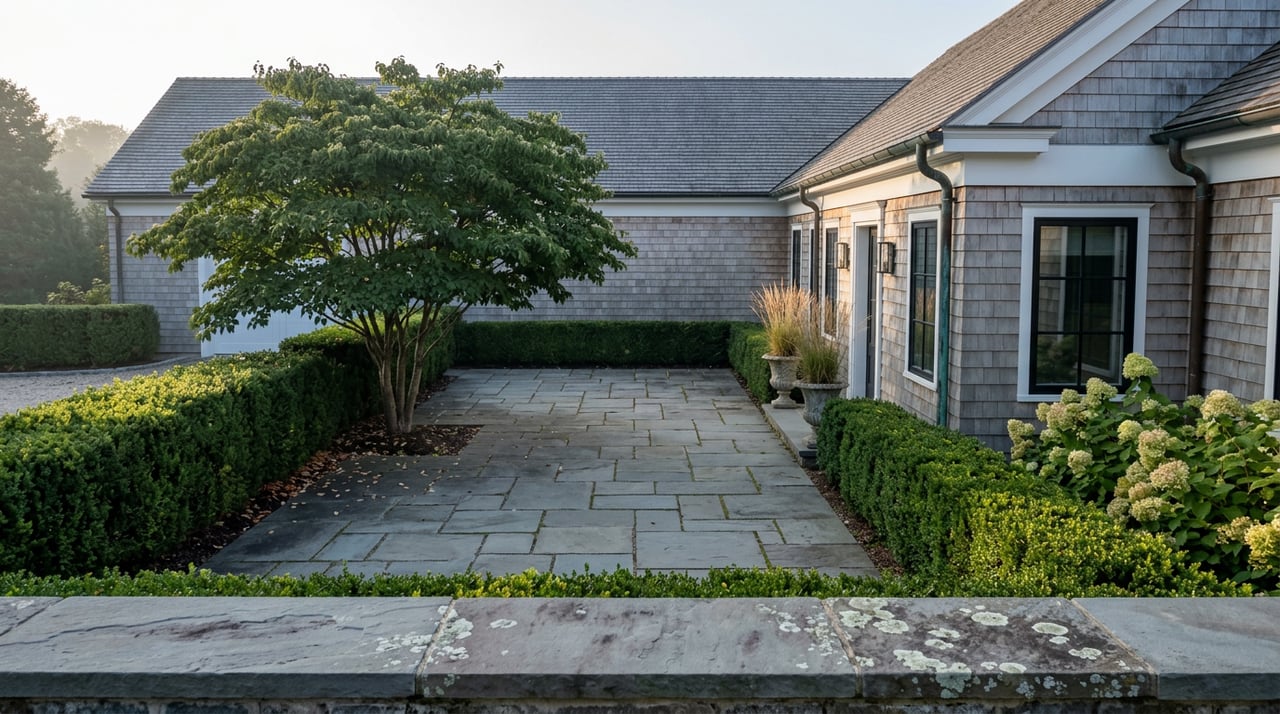
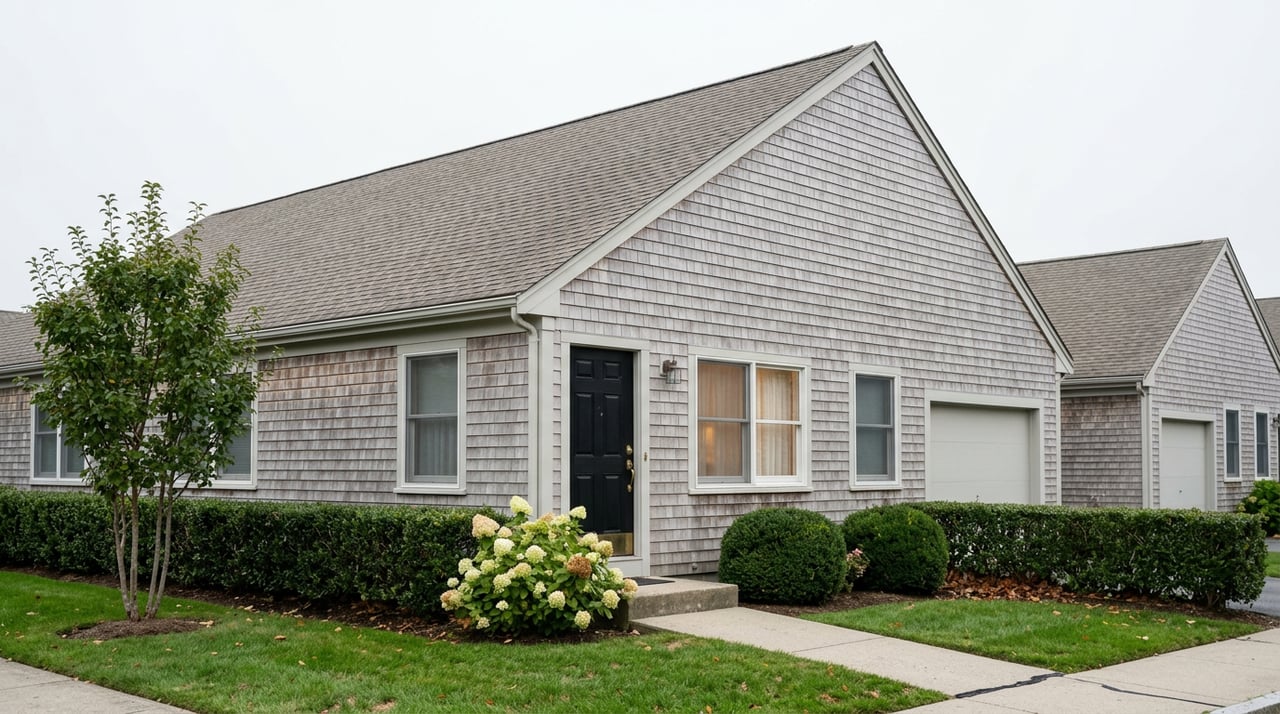
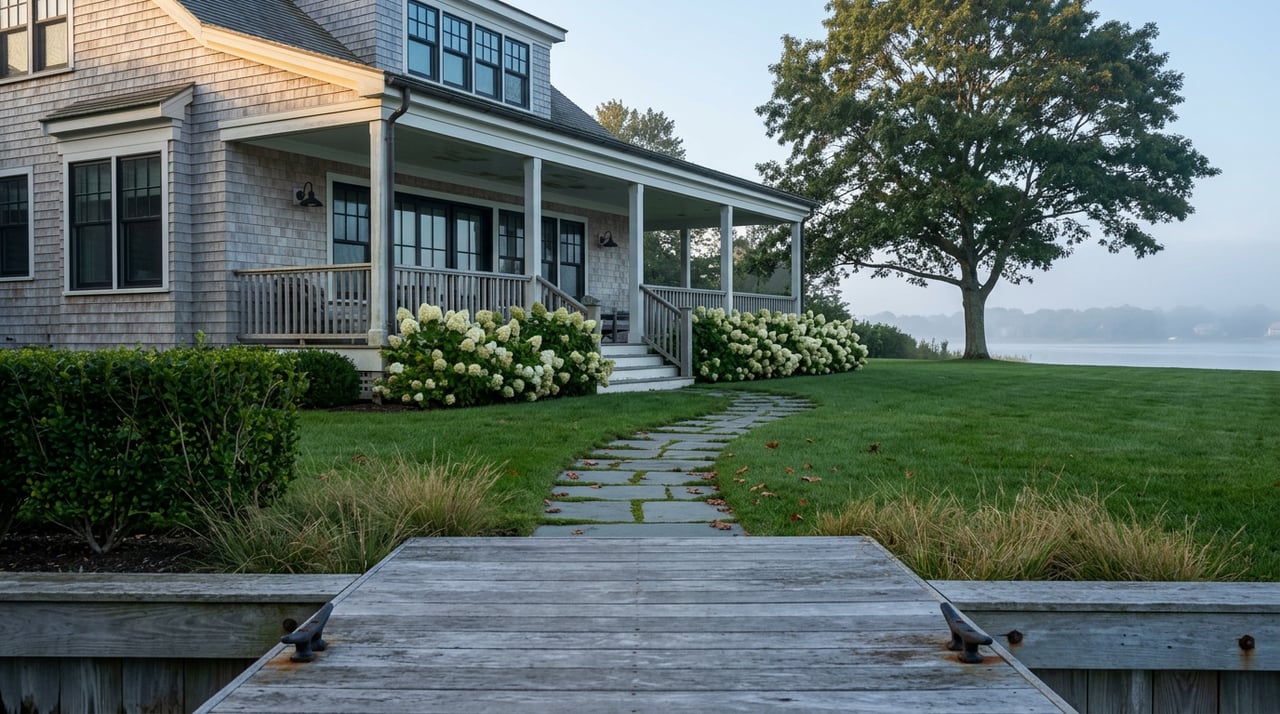
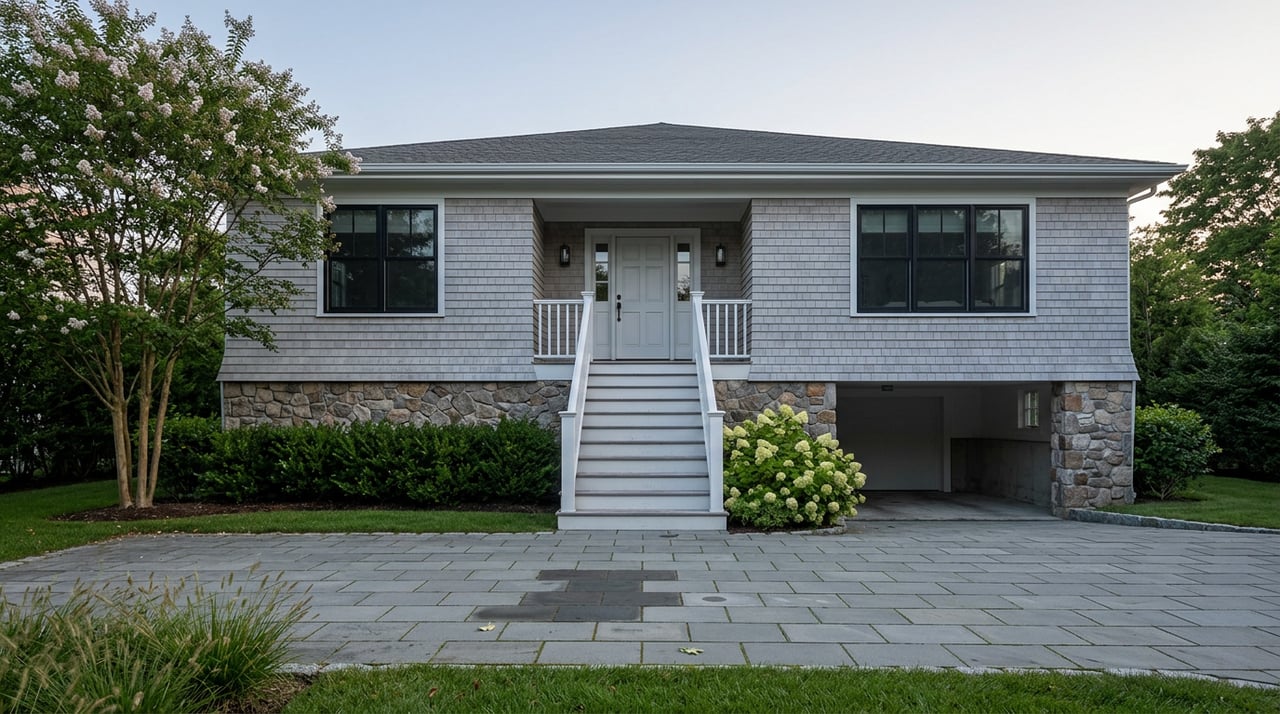
Every other town on this stretch of the Navesink has a strip you could point to and call its center. Red Bank has Broad Street. Fair Haven has River Road. Rumson has its short run of shops near the fire station. Locust has Locust Point Road and Navesink River Road, and if you drove the length of both looking for a coffee shop or a hardware store, you'd come up empty. What Locust has instead is long stretches of frontage along Clay Pit Creek and the Navesink River, a scattering of shingle-style houses set back behind hedges, and a community life that runs almost entirely through institutions that aren't technically inside its own boundary lines.
That's not a complaint. It's the actual shape of the place, and it explains more about how people here spend a weekend than any list of amenities could.
Locust has never had a commercial center because it was never built to need one. The historic district itself is defined by geography rather than a town grid: it begins at Lakeside Avenue, runs northwest along Locust Point Road to its junction with Navesink River Road, then continues east along that road for another 1.2 miles, hemmed in the whole way by Clay Pit Creek on one side and the Navesink River on the other. Houses sit far off the road, screened by mature trees, which is exactly how a farming and oyster village that turned into a summer retreat for well-off New Yorkers after the Civil War was laid out in the first place. One original oyster house still stands on the old Captain Pitman property on Locust Point Road, a physical leftover from when Clay Pit Creek was a working harbor for boats hauling clams and oysters up to New York.
That history matters here because it's still the operating logic. There was never a Main Street to lose, so nothing in Locust closed or got replaced the way storefronts do in neighboring downtowns. The community's public life happens somewhere else entirely, on land that belongs to a park system, a nonprofit, or, for one night each summer, a private family.
Huber Woods sits along Brown's Dock Road, the same road that historically marked the edge of the Locust settlement Burdge's family carved out in 1715. The park was established in 1974 with a 118-acre gift from the Huber family and the J.M. Huber Corporation, anchored by Hans and Catherine Huber's own donation of the hilltop farm where they'd summered since the early 1900s. Their old half-timbered house, designed by New York architect Edwin L. Howard, still stands there as the Environmental Center. It's the closest thing Locust has to a town green, and come September it's doing what it always does at the change of season.
On September 8, a Park System naturalist is leading a bird walk through the park, a loose 90-minute loop covering two to four miles for anyone willing to walk uneven ground and borrow a pair of binoculars. The next morning, September 9, a separate naturalist-led walk covers the trails more broadly, open to all ages, meeting in the Environmental Center parking lot. Neither costs anything. Both are the kind of low-key, recurring programming that never makes it onto a "best of" list but is exactly what a resident with a free weekday morning actually uses. The Reptile House inside the center, with its corn snakes, pine snakes, and diamondback terrapins, plus the newer Pollinator Garden along the Discovery Path, round out a park that functions less like a destination and more like a shared backyard for everyone on this side of the river.
If Huber Woods handles Locust's land-based civic life, the water side runs through Red Bank, and specifically through the Navesink Maritime Heritage Association. NMHA has organized river programming since incorporating as a nonprofit in 2002, and its current calendar has a talk scheduled for September 10 at 6:30 p.m., historian Zara Anishanslin discussing her book on 18th-century portraiture and material culture, "The Painter's Fire." It's a small, specific event, the kind that draws people who already care about this stretch of water rather than casual tourists.
NMHA's calendar also carries its recurring Community Paddle the Navesink Day, an event the association has staged for years at Maple Cove at the foot of Maple Avenue in Red Bank. In past years the format has drawn the Jersey Paddler down with dozens of kayaks and paddle boards for free demos, with the Monmouth Boat Club opening its doors nearby for sailboat rides. None of it happens on Locust soil. Locust residents who want to try a stand-up paddle board or hear about NMHA's youth canoeing programs have to drive into Red Bank to do it, which is a small but telling detail about how this community's calendar actually works. The institutions serving Locust's waterfront identity are mostly headquartered somewhere else.
There's one clear exception, and it happened this summer rather than the one ahead. Family Fireworks on the Navesink returned again for 2026, hosted by the DiPiero family at their home on Navesink River Road in Locust, with proceeds benefiting the Hackensack Meridian Riverview Medical Center Foundation's expansion of its emergency department. The July 3 display, watched from boats near the Oceanic Bridge and from riverbanks up and down both shores, is the one major community tradition that actually originates inside Locust's own boundary. Even so, it's a private lawn hosting a fundraiser for a hospital based in Red Bank, not a town-run event on public land. The pattern holds even in the exception.
Ask a longtime resident where they eat on a weeknight and the answer that keeps coming up isn't in Locust either. Nicholas's Barrel & Roost, chef Nicholas Harary's more casual follow-up to his long-running Restaurant Nicholas, sits on Route 35 in Red Bank, close enough that it functions as the neighborhood's default dinner spot without being part of the neighborhood at all. It reads less like a special-occasion restaurant now and more like a well-appointed local diner, which tracks with what's on the menu: wood-grilled sirloin short rib burgers, a raw bar with East and West Coast oysters, and a weekend brunch built around things like Cajun eggs Benedict and brioche French toast. It's the place people default to because it's close, reliable, and doesn't require an occasion.
Golf works the same way. Beacon Hill Country Club gets described as the more approachable option, with lower costs that make it accessible to an average member, while Navesink Country Club carries a higher-end reputation. Both are private clubs rather than public amenities, which means Locust's golf culture, like its dining and its boating, runs through membership and proximity rather than anything a resident could walk to from their own driveway.
None of this is a knock on the neighborhood. It's a description of how a place with no commercial center still manages to have a full calendar. The Huber Woods naturalist programs, the NMHA's talks and paddle days, Barrel & Roost, Beacon Hill, even the DiPieros' fireworks display all point to the same underlying fact: Locust's sense of place comes from water access and borrowed institutions, not from a strip of shops that could close or turn over the way storefronts do elsewhere on this peninsula. That's part of what keeps the historic district's building stock so intact. There was never a Main Street to redevelop.
If you already live along Navesink River Road or back off Locust Point Road, you likely knew half of this already, if only from habit. What's worth sitting with is how deliberate the pattern is once you look at it directly. The neighborhood doesn't lack a center because it's small. It never needed one, because the river and the neighboring parks and clubs have always done that job instead.
If you're weighing a move within this stretch of the Navesink, or thinking about what a long-held property here is actually worth in a market like this one, Katherine Raftery has spent years working these blocks and knows exactly which details matter and which don't. Let's Connect.
Kate specializes in buyer and seller representation, luxury homes, relocations, first-time buyers, and downsizers, working across a wide range of price points.