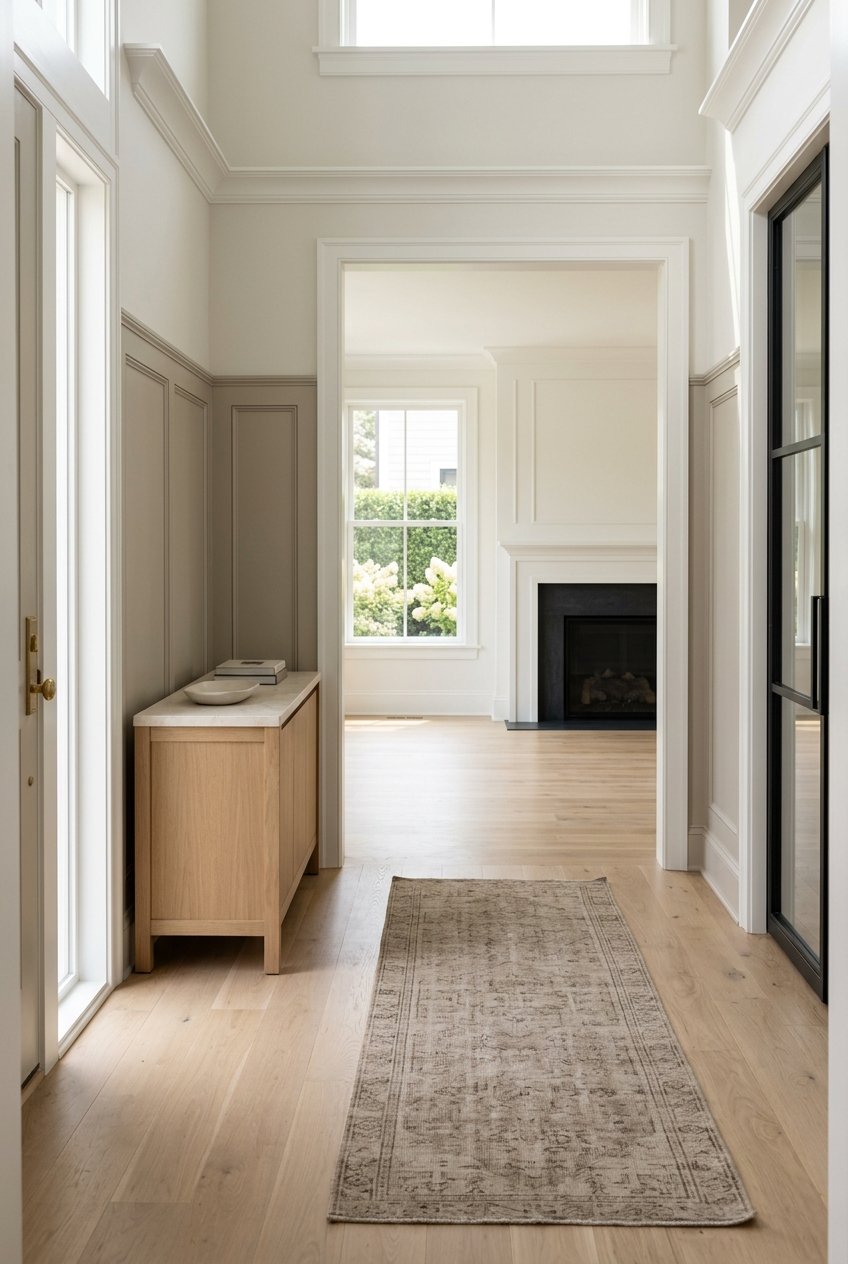
Selling A Long-Held Home In Navesink
July 23, 2026
July 23, 2026
You do not sell a long-held home the same way you sell a house you bought five years ago. In Navesink, many homes carry decades of upkeep, memories, and character, and buyers will notice all of it the moment they pull up. If you are thinking about selling, it helps to know what matters most in today’s market, how to prepare without over-improving, and how to protect your net proceeds. Let’s dive in.
Navesink is part of Middletown Township, and its historic district includes 96 contributing properties along Monmouth Avenue and Navesink Avenue. The township notes that most buildings sit close to the street and that many homes date to the mid- and late-19th century.
That setting changes how buyers experience a home. In a place where architecture and streetscape are part of the appeal, curb appeal, visible maintenance, and preserved character can shape first impressions quickly.
Navesink also sits within a market with a strong ownership base. Census data shows Middletown Township has an 85.7% owner-occupied housing rate and a median owner-occupied home value of $608,300, which points to a stable residential market with many long-term owners.
Monmouth County’s June 2026 local market update shows a year-to-date median sales price of $850,000 for single-family homes. Homes averaged 27 days on market, sellers received 103.1% of list price, and inventory stood at 2.7 months.
That is encouraging for sellers, but it does not mean every home will sell easily at any price. It means well-prepared, well-priced homes are being rewarded, while homes that miss the mark on condition or pricing can still face resistance.
For a long-held Navesink home, that is especially important. Buyers may love charm and history, but they still compare your home against current alternatives and current expectations.
If you have lived in your home for many years, it is natural to see it through the lens of memory. Buyers will not. They will notice worn paint, dated finishes, deferred maintenance, and clutter much faster than a long-time owner often does.
That does not mean you need a full renovation. In many cases, the better strategy is to focus on high-visibility improvements that remove distractions and help buyers feel the home has been cared for.
According to the 2025 Remodeling Impact Report, the projects agents most often recommend before listing are painting the entire home, painting a single interior room, and installing a new roof. The same report also shows strong buyer demand for kitchen upgrades, new roofing, and bathroom renovations.
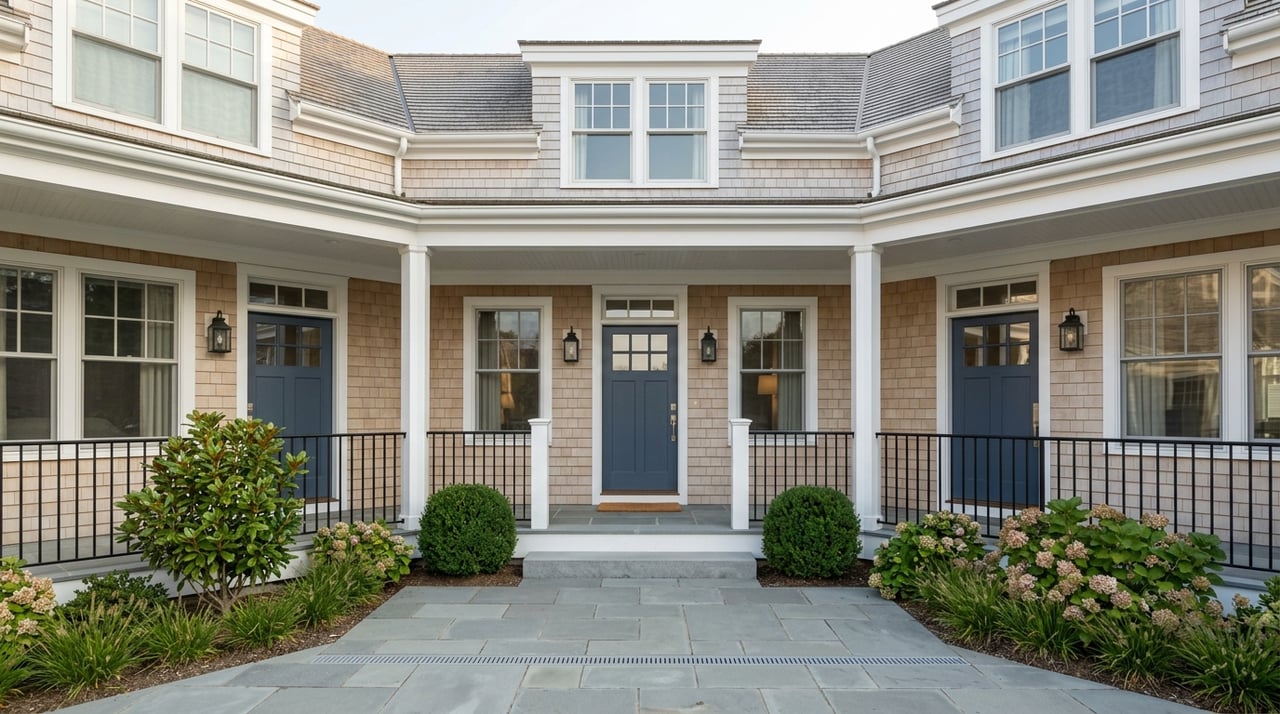
When you are deciding where to spend money before listing, start with the areas that shape first impressions. In a long-held home, that usually means the front entry, main living spaces, kitchen, and primary bedroom.
The remodeling report also found that new steel and fiberglass front doors had some of the highest cost recovery. That is a useful reminder that a modest, visible upgrade can sometimes do more for buyer perception than a larger project hidden deeper in the home.
A smart prep plan often includes:
In Navesink, where many homes have architectural character, the goal is usually not to erase age. The goal is to show that the home’s age comes with charm, not uncertainty.
Long-term ownership often means full closets, packed shelves, stored furniture, and years of accumulated personal items. Buyers need room to see the home itself.
NAR’s 2025 staging research found that even when sellers’ agents did not fully stage a property, many still strongly recommended decluttering and correcting property faults. That is especially relevant for older homes, where too much visual noise can make rooms feel smaller or condition issues feel bigger.
Try to remove anything that competes with the home’s features. That includes excess furniture, personal collections, crowded countertops, and anything that makes storage feel tight.
Staging is not about making your home look fake. It is about helping buyers understand how the space lives today.
NAR’s 2025 staging research found that 83% of buyers’ agents said staging made it easier for buyers to visualize a property as their future home. The same research found that 49% said staging reduced time on market, while 29% said it increased the dollar value offered by 1% to 10%.
The most commonly staged spaces were living rooms, primary bedrooms, dining rooms, and kitchens. If you do not stage the entire house, those are usually the best places to start.
Here is the practical takeaway for a Navesink seller:
NAR also reported median staging-service costs of $1,500, compared with $500 when the seller’s agent handled staging. That makes staging a strategic line item worth weighing against likely return.
One of the hardest parts of selling a long-held home is separating what the home has meant to you from how the market will value it today. That gap is real, and it matters.
A home should be priced against current comparable sales, current buyer expectations, and current condition. It should not be priced based on your original purchase price, the amount you spent over the years, or the emotional importance of the home.
This matters in Monmouth County because buyers are often financially strong and comparison-driven. National 2025 data shows that 26% of purchases were all-cash, the median down payment was 19%, and many repeat buyers used proceeds from a prior sale to fund their next move.
These buyers can move quickly, but they still expect value. In Navesink, where homes may vary widely by setting, condition, and quality of updates, pricing precision matters more than broad averages.
Older homes often win buyers over because of charm, craftsmanship, and a sense of permanence. NAR found that buyers of existing homes often point to better overall value, lower price, and charm and character as key reasons for choosing an older home.
At the same time, buyers who prefer new construction often want to avoid renovations and major repair concerns. That means your home’s character can absolutely be a strength, but only if buyers also feel confident about its condition.
In practice, the strongest presentation is usually one that says: this home has history, and it has been responsibly maintained.
Showing prep should go beyond cleaning. It should help buyers imagine living comfortably in the space without wondering what needs work right away.
NAR’s consumer staging guidance notes that buyers’ agents place value on listing photos, physical staging, videos, and virtual tours. Before any of that happens, the home itself needs to present clearly, especially in the main living areas, kitchen, and primary bedroom.
A pre-list walkthrough can help you spot the things you have stopped noticing, such as:
These may seem minor, but together they shape how buyers interpret the home’s upkeep.
For many long-time homeowners, the sale price grabs the most attention. In reality, net proceeds are what matter most.
In New Jersey, sellers pay a Realty Transfer Fee for recording the deed. The state also applies a Graduated Percent Fee on sales over $1 million, ranging from 1% to 3.5% depending on the price band.
For upper-end Navesink properties, those costs can have a meaningful impact on what you actually take away from the sale. That is why it helps to look at a few possible pricing scenarios instead of focusing on one headline number.
A useful net-proceeds review should consider:
The IRS says qualifying homeowners may exclude up to $250,000 of gain on the sale of a main home, or up to $500,000 for a married joint return, if ownership and use tests are met. The IRS also notes that a loss on the sale of a personal residence is generally not deductible.
That is one more reason to make decisions based on net outcome, not guesswork.
Even when the timing is right, selling a home you have owned for years can feel heavy. You are not just dealing with repairs, pricing, and paperwork. You are also letting go of routines, memories, and a place that may have defined a chapter of your life.
That emotional side is normal. It also helps to have a process that keeps decisions grounded in facts, timing, and your next-step goals rather than in moment-to-moment stress.
National 2025 data found the typical seller was 64 years old and had owned the home for a record 11 years. Many sellers are balancing a move with downsizing, relocation, estate planning, or a major life change, so a calm, structured approach matters.
If you are preparing to sell a long-held home in Navesink, the strongest approach is usually simple and disciplined.
Start by identifying the updates that buyers will notice first. Then build a pricing strategy around current condition and real local comparables. Finally, review your likely net proceeds before deciding how far to go on prep.
In a market where well-positioned homes can perform strongly, thoughtful preparation often creates more leverage than over-improving. If you want clear guidance on pricing, prep, and the likely numbers behind your sale, Katherine Raftery can help you make a calm, informed plan.
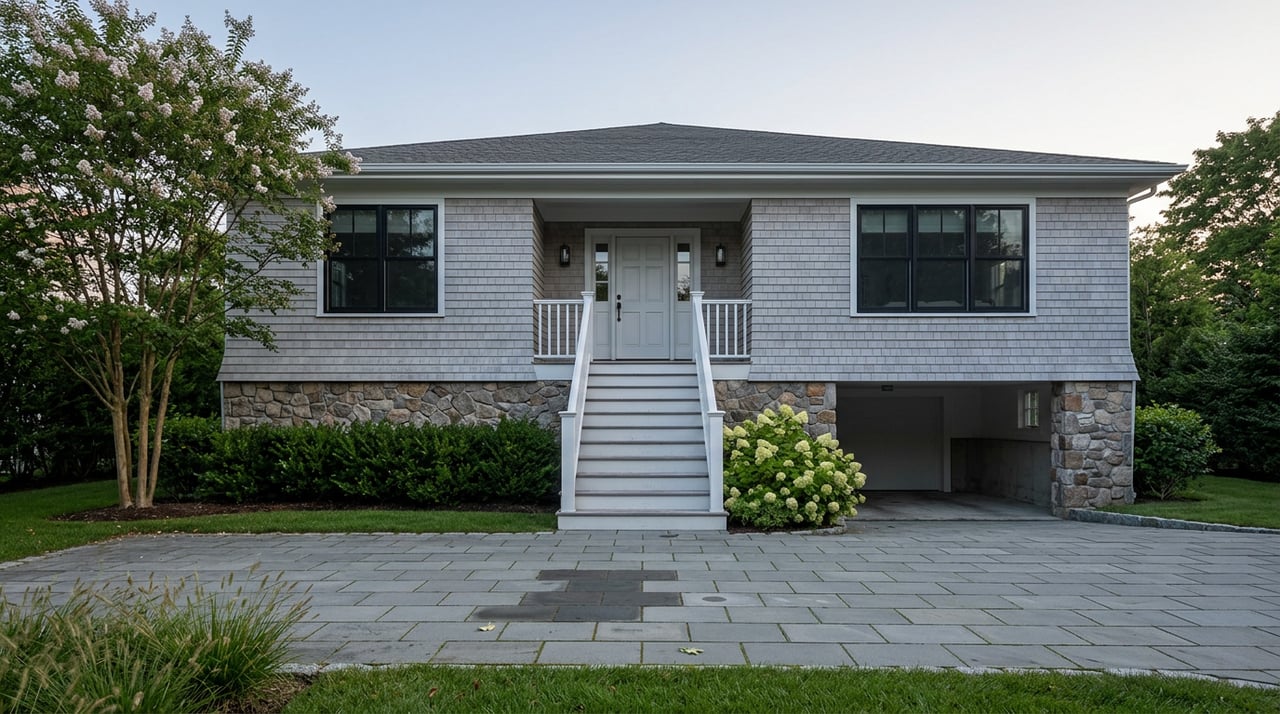


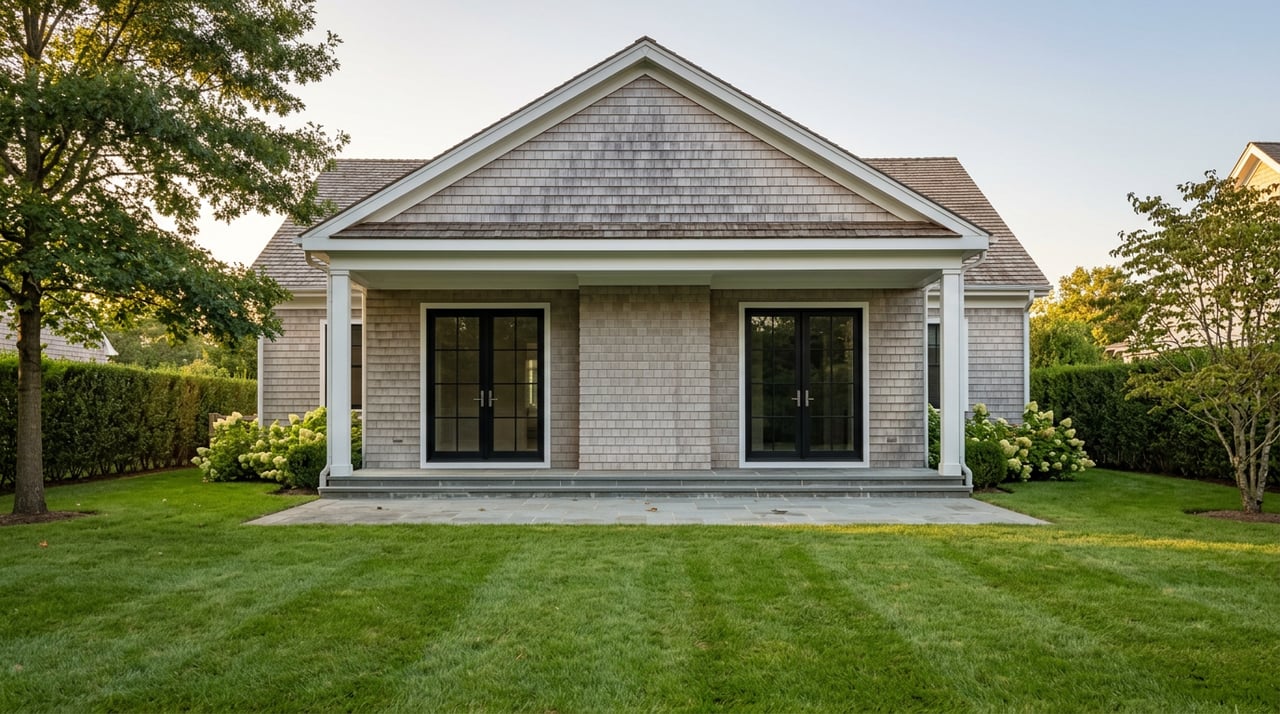


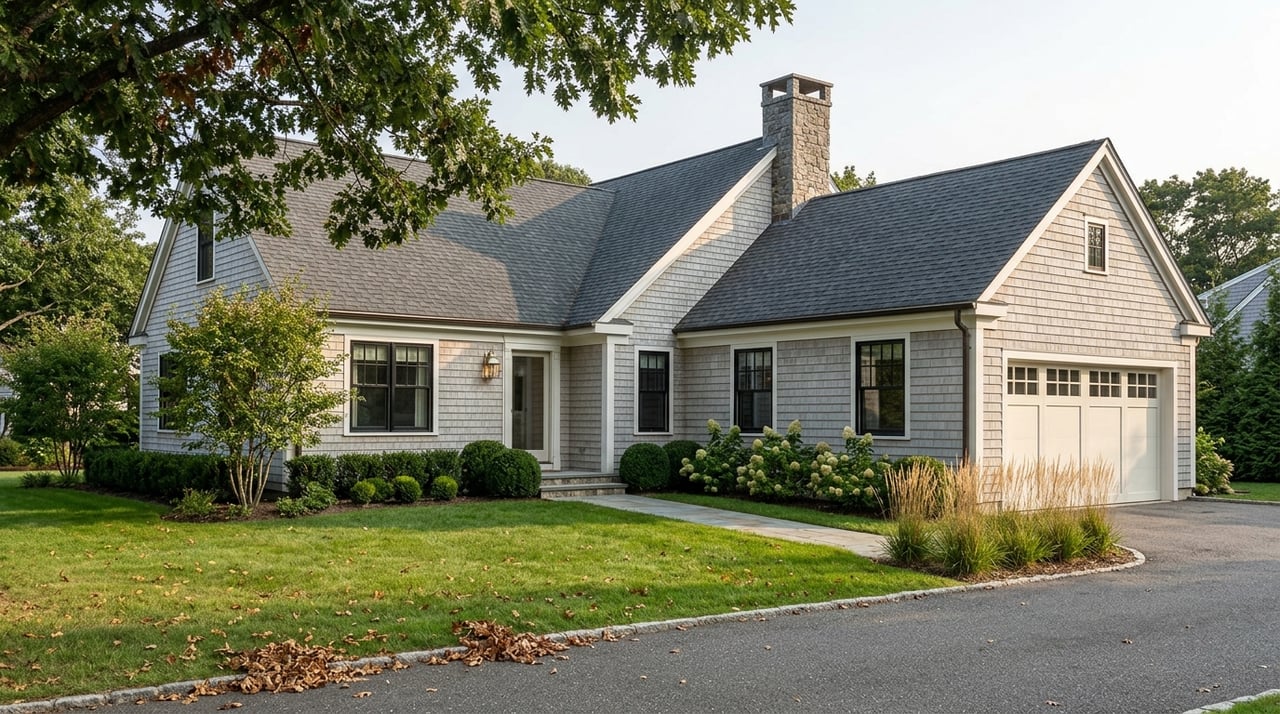
Kate specializes in buyer and seller representation, luxury homes, relocations, first-time buyers, and downsizers, working across a wide range of price points.